by Jennifer Taylor | Oct 13, 2026 | Blog, Featured Posts, Uncategorized
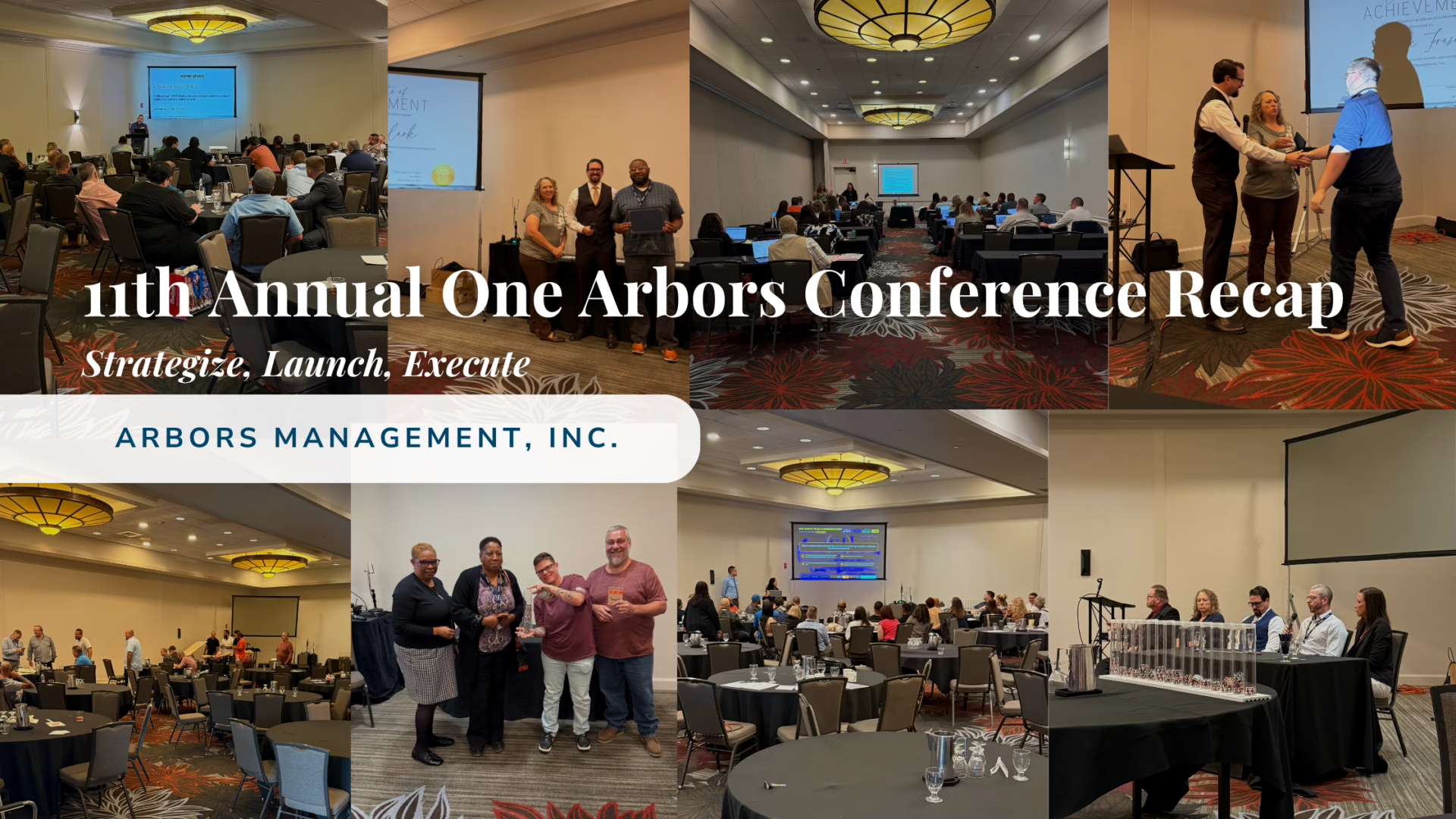
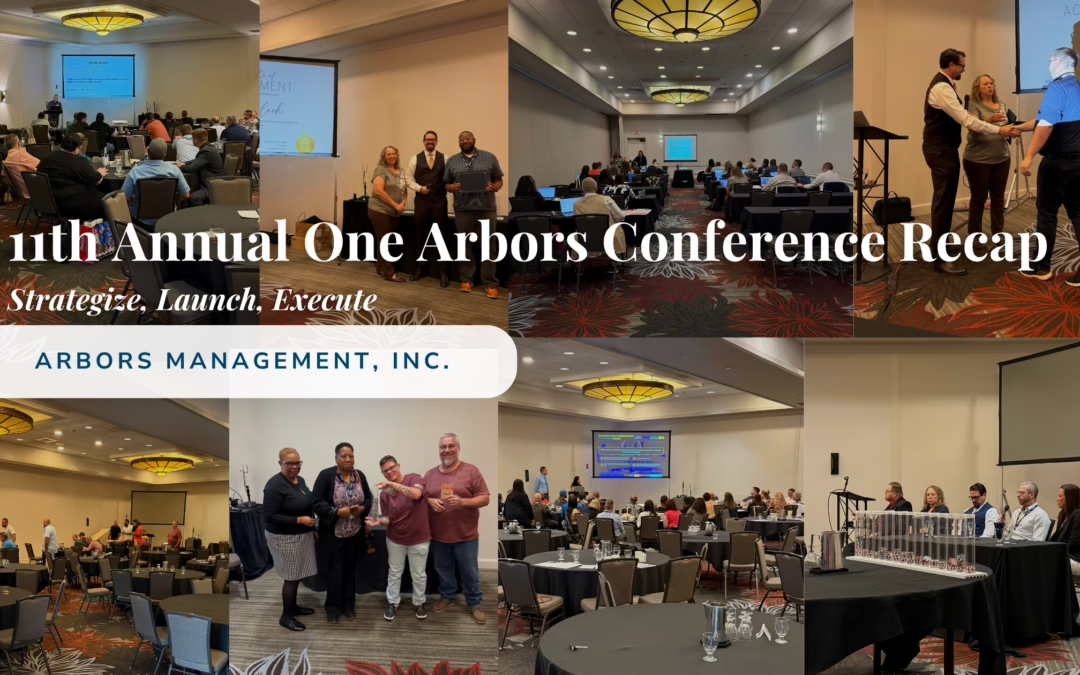
Last month, team members from different properties and offices came together at the DoubleTree in Green Tree for two packed days of connection, recognition, and strategic alignment at the 11th Annual One Arbors Conference.
This years conference theme “Strategize, Launch, and Execute” focused on building momentum, celebrating our collective success, and equipping our teams with the tools they need to continue with their success.
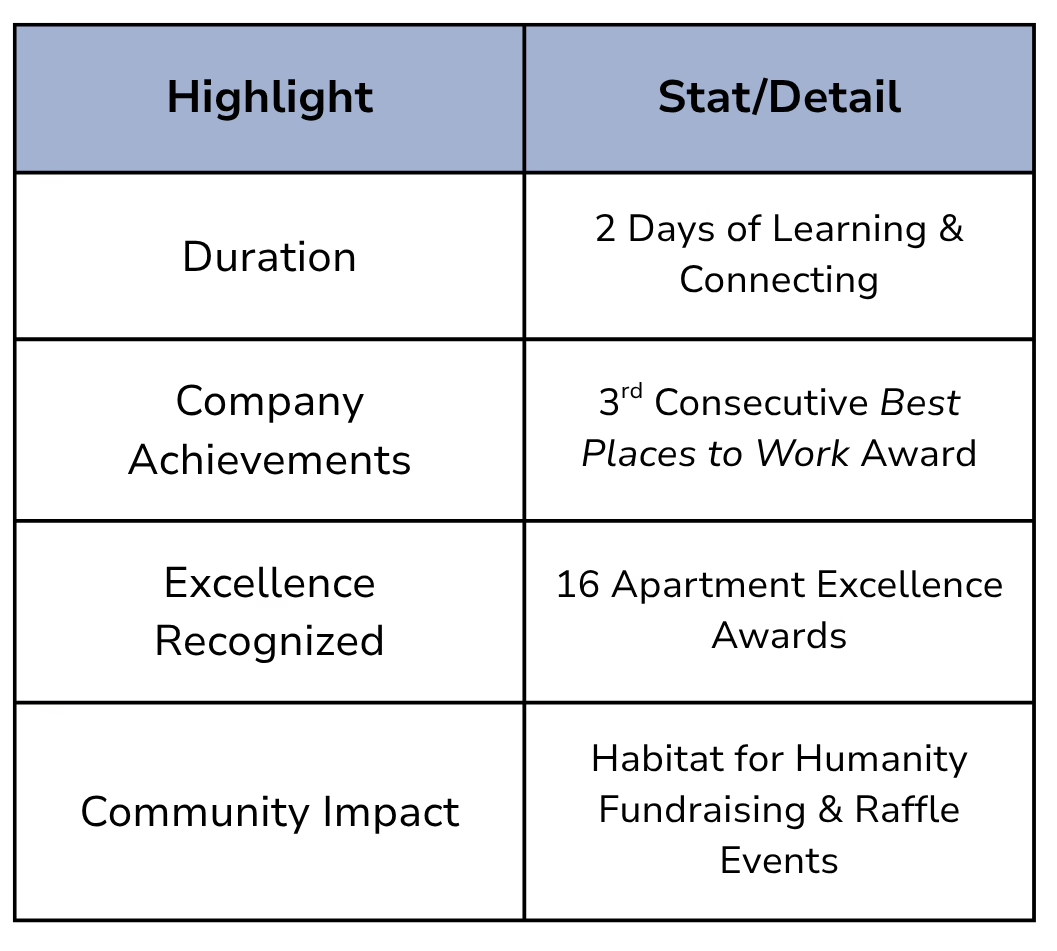
The Conference by numbers
Strategic Vision: View from the Top
Our President, Christopher Wagner, shared key insights on where Arbors Management is headed and how our core focus drives long-term success.
“Even though our theme of “Strategize, Launch, Execute” was really for 2026, we will continue to use this into the future because we want to take so many of these great ideas and implement them throughout the company to continue to support our Team, as well as our owners and residents. We want to iterate faster in the future, so even as we grow in properties and employees, we will continue to stay nimble and adjust to the market and changing times, while never forsaking our foundational values.”
When asked about his biggest takeaways from this year’s event:
“I think my biggest takeaway from the conference was two-fold. First, how far we have come as an organization. It was wonderful to see so many people involved in making this a successful conference this year, and how Team Arbors stepped up to make it special. The second is the work that we still need to do. There are so many good ideas from our Team, and we still have a lot of implementation that needs to be done in the years to come.”
When asked what made him most proud of Team Arbors during the two-day event:
“The teamwork is something that I really enjoy seeing each year – everyone helping each other as well as being able to connect with each other. Property Management and Maintenance are tough industries, and I was glad to see everyone relax a little while also learning and growing. I also appreciate the transparency of our team, even when things don’t go as planned, to be honest about what we did right and what we did wrong. It aligns well with our core value of Integrity.”
For team members looking to carry the conference momentum back to their properties, Christopher issued a clear challenge:
“I would love for our employees to continue to engage with each other, and also with our Leadership team. First of all, we are spread out – we have 130 employees at over 30 locations, so when they build connections at the conference I hope they can maintain those connections over the year (even if that means maintaining it digitally through chat, email, etc). Second, I hope they never hesitate to reach out to Leadership, whether they need assistance with something, or to share their ideas. That is what we are here for!”
Key Highlights & Breakout Takeaways
Throughout the event, interactive workshops and executive Q&A sessions gave team members practical takeaways to bring back to their day-to-day operations.
- Targeted Learning: Specialized breakout sessions gave team members deep-dive insights directly tied to their roles, empowering everyone to sharpen their skills and level up their day-to-day work.
- Celebrating Team Achievements: Beyond out 16 Apartment Excellence Awards, we also honored individual milestone anniversaries and property-level achievements.
- Vendor Trade Show: Team members connected directly with our valued industry partners during the trade show, exploring new products, services, and solutions to elevate our property operations.
Behind the Scenes: Making It Happen
An event of this scale requires months of planning and coordination. A massive thank you to Andrea Faulk and everyone else involved behind the scenes for organizing this impactful experience. From registration and vendor setup to the team-building and evening events, your hard work does not go unnoticed!
Keep the Energy Going
Thank you to everyone who attended, presented, and participated in making the 11th Annual One Arbors Conference the best one yet. We are already counting down the days until the next one!
by Jennifer Taylor | Sep 8, 2026 | Blog, Featured Posts, Tenant Education, Tenant Resources
As the summer heat winds down and the crisp autumn weather comes in, it is crucial to prepare your living space for cooler days. This fall maintenance checklist is the best way to keep your home comfortable and your utility bills low.
Doing a few simple things now will ensure your space stays warm, functional, and trouble-free all fall and winter long. Here is your quick checklist that you can complete this weekend to transition your apartment for fall.
Step 1: Dial In Your Heating & Thermostat
The first step on any fall maintenance checklist is testing your heating system. Before the first real cold snap hits, give your heater a quick test run to ensure everything is working smoothly:
- Do a Test Run Early: Turn your heater on for 10-15 minutes on a cool evening (before you need to use it daily). If you notice any strange noises, short-cycling, or a complete lack of heat, submit a maintenance request so we can get it serviced before the seasonal rush.
- Understand the Initial Smell: It is completely normal for a smell of mild “burning dust” to appear the first time you turn your heater on for the year. This is just the dust that has settled on the heater over the summer burning off, and shouldn’t last more than 20-30 minutes.
- Keep Vents & Radiators Clear: Ensure furniture, rugs, and drapes are at least 12 inches away from any baseboard heaters, radiators, or air vents. Blocked vents force your system to work twice as hard and create a safety risk.
Step 2: Seal Out Drafts Without Damaging Your Unit
Drafty doors and windows can be some the biggest sources of heat loss in homes. The good news is you don’t need permanent alterations to keep the cold air out:
- Use Draft Stoppers: Place fabric draft stoppers or door snakes at the bottom of exterior doors or drafty interior doors.
- Thermal or Insulated Curtains: Swap out those lightweight sheer summer curtains for heavier thermal drapes. This traps heat inside, especially during those cold nights. Don’t be afraid to open them up on sunny days to let the natural warmth in!
- Check Window Seals: Ensure all windows are shut tight and fully latched. A window that is unlocked can leave a tiny gap at the top, allowing cold air to stream in.
Step 3: Clear & Protect Balconies and Patios
Autumn winds and sudden early freezes can damage outdoor furniture or even create safety hazards:
- Bring In Temperature-Sensitive Items: Bring outdoor plants inside before nighttime temperatures drop below the 50s. Clean off patio furniture cushions and store them indoors to extend their lifetime.
- Disconnect Garden Hoses: Disconnect any garden hoses if your unit has a private patio or outdoor spigot. Leaving a hose connected through freezing temperatures can trap water in the pipe, causing it to burst inside the wall.
- Secure Loose Decor: Autumn winds can easily blow light patio items off balconies or porches. Keep railings clear and store lightweight items that may blow away inside.
Step 4: Prevent Moisture & Maintain Indoor Air Quality
With windows closed more often, humidity management becomes essential for preventing condensation and maintaining healthy air quality:
- Use Ventilation Fans: Always run bathroom exhaust fans during showers and leave it on for 10-15 minutes afterward to draw out any excess moisture. Use the range hood fan while cooking on the stove.
- Watch for Window Condensation: If you see water droplets accumulating inside your windows, wipe them down immediately. Excess moisture can damage window sills and promote mold growth.
Need Assistance? We’re Here to Help!
Completing your fall maintenance checklist is one of the best ways to keep your apartment comfortable and avoid seasonal emergencies, but you don’t have to navigate property care alone.
At Arbors Management, we provide hands-on, hassle-free and dependable property management services in Western PA, West Virginia, and Ohio that set a new standard for the industry. Whether you’re a rental property owner or an investor looking for a full-service property management company, our expertise ensures that your investment thrives and your unique needs are our top priority.
Contact us today to see how we can help you and your property.
by Jennifer Taylor | Aug 6, 2026 | Blog, Featured Posts, Investment Rental Property, Property Management Education, Rental Price
When listing a rental property, many owners fall into one of two traps: they either dump tens of thousands of dollars into full-scale remodels that aren’t necessary, or they leave the unit as-is with dated fixtures, settling for lower rent and longer vacancies. The secret to maximizing your Net Operating Income (NOI) is making strategic, low cost rental upgrades between lease cycles.
By spending $150 to $500 on targeted, high-visibility improvements, you can elevate the perceived value of your rental, justify higher monthly rent, and attract long-term tenants. Here are five simple, budget-friendly updates property managers use to transform units between lease cycles.
Ditch the “Landlord Special”: Upgrade Cabinet Hardware & Fixtures
Estimated Cost: $50 – $150
Target Areas: Kitchen and Bathroom
Kitchens and bathrooms are areas that drive rental decisions. Replacing worn, dated cabinet knobs or brass handles with modern matte black, brushed nickel, or oil-rubbed bronze hardware instantly modernizes a room.
-
- Bonus Upgrade: Swap out standard 15-year-old faucets for sleek, single-handle pull-down kitchen faucets. It gives an upgraded, high-end feel to your rental for under $100.
Upgrade to Smart Tech (That Pays for Itself)
Estimated Cost: $100 – $250
Target Areas: Main Entryways & Common Areas
Today’s renters, especially Millennials and Gen Z, view modern tech features as high-value amenities rather than luxuries.
-
- Keyless Electronic Locks: Installing a keypad lock gives tenants keyless convenience while saving you the hassle and cost of re-keying deadbolts between every turnover.
- USB/USB-C Outlets: Swap out standard duplex outlets in the kitchen and primary bedroom with outlets that include built-in USB ports. At $20-$25 per outlet, it’s one of the cheapest ways to make a unit feel modern.
Replace Outdated Light Fixtures
Estimated Cost: $75 – $150
Target Areas: Hallways, Dining Spaces, & Kitchens
Old dome lights and yellow flush mounts signal to prospective renters that a property hasn’t been updated in your rental in decades.
-
- Replace aged ceiling fixtures with simple flush-mount lights, modern track lighting, or a minimalist pendant light over dining areas.
- Replace yellowed, painted-over light switch plates with clean, white Decora-style switches and fresh wall plates.
Boost Curb Appeal with Low Cost Exterior Upgrades
Estimated Cost: $50 – $150
Target Areas: Front Porch & Entryway
Prospective tenants form their first impression of a property within a minute of pulling up to the curb.
-
- Front Door Accent: A fresh coat of bold exterior paint on the front door makes the unit stand out immediately in listing photos.
- Modern House Numbers: Replace small, outdated house numbers with large, clean architectural numbers visible from the street.
- Power Washing: Renting a power washer for an afternoon to clean walkways, porch steps, and entryways instantly sharpens the property’s look.
Upgrade Bathroom Mirror & Shower Hardware
Estimated Cost: $100 – $200
Target Areas: Bathrooms
Frameless, builder-grade “sheet glass” mirrors make bathrooms look like commercial locker rooms.
-
- Replace basic mirrors with a stylish, framed vanity mirror (matte black or brushed metal always looks nice).
- Swap out old shower-heads for a high-pressure rain shower-head or handheld sprayer. It cost under $50 but adds a daily luxury feel tenants remember during tours.
The Bottom Line
You don’t need a $20,000 capital expenditure budget to command top-market rent. Focusing on lighting, hardware, touch points, and curb appeal allows you to make low cost rental upgrades while keeping overhead low.
What to Maximize Your Rental Property’s Return?
Managing turnovers and sourcing reliable, cost-effective vendors can be time-consuming. Let us help you!
Contact us today and see how we can help you manage your property.
by Jennifer Taylor | Jul 9, 2026 | Blog, Featured Posts, Property Management Education
If you own a rental property, you are probably well aware that June, July, and August are the craziest months of the year. Summer rental season is officially here, and for independent property owners, it brings a mix of massive opportunity and intense stress.
On one hand, the market is flooded with active tenants looking to move before the new school year starts, giving you the perfect chance to maximize your rental income. On the other hand, navigating “the summer turn” (that chaotic, fast-paced window between one tenant moving out and another moving in) can quickly feel like a second full-time job. Between endless maintenance coordination, floods of late-night inquiries, and the pressure of a ticking clock, it’s easy to make rushed decisions.
You don’t have to let the busy season overwhelm you. With the right strategy, you can protect your investment and secure top-tier tenants. Here is your ultimate survival guide to navigating the summer turn like a professional.
Get Ahead of Schedule (60-90 Day Rule)
You win the busy summer rental season by stopping stress before it starts. For independent property owners, one of the best ways to do this is by reaching out to current tenants 60-90 days before their lease expires to find out their renewal intentions.
This early move gives you a massive advantage. If they decide to leave, you can market the property well before the peak summer rush. If they stay, you lock in your cash flow early. Early communication eliminates last-minute surprises, gives you a head start on marketing vacant units, and lets you book contractors before their summer schedules fill up.
Price Dynamically for Summer Demand
Summer brings high demand, but you must avoid the trap of overpricing your rentals. Setting the right rent price requires doing research on current market rates in your specific neighborhood. Match your properties size, location, and amenities against local listings. Real estate platforms like Zillow, Rent.com, and Apartments.com provide excellent baseline data, but a local property management company offers the deepest insights.
Today’s tenants are highly informed and can easily compare prices online. If you overprice your property for the summer rental season, it will sit stagnant on the market. Extended vacancies mean you are stuck paying the mortgage, utilities, and maintenance costs entirely out of pocket. Dynamic, accurate pricing ensures you capture high-quality applicants immediately.
Implement a “Pre-Screening Filter”
During the peak summer rental season, tenant inquiries will flood your inbox. If you manage these listings on your own, you must filter out under-qualified leads to save your time and sanity.
Use a quick pre-screening step. Send a brief questionnaire about desired move-in dates, monthly income levels, credit scores, and pets. This simple filter helps you prioritize serious, qualified applicants. This step is critical in competitive markets where listings move rapidly, allowing you to focus your energy only on the best tenants.
The fast-paced nature of the summer rental season demands turnovers, but you cannot afford to cut corners. Set clear expectations with departing tenants to prevent misunderstandings and keep your property in great condition.
Give your tenants a detailed move-out checklist. Explicitly outline your cleaning requirements, repair responsibilities, and key return instructions. Additionally, remind them of your security deposit policy. Specify the exact conditions for deductions and the legal timeline for returning their funds. Clear documentation protects your investment and ensures a smooth transition to your next summer tenant.
We know the summer rental season is crazy, so we are here to help!
At Arbors Management, we provide hands-on, hassle-free and dependable property management services in Pittsburgh that set a new standard for the industry. Whether you’re a rental property owner or an investor looking for a full-service property management company, our expertise ensures that your investment thrives and your unique needs are our top priority.
Contact us today to see how we can help you and your property.

by Jennifer Taylor | Jun 9, 2026 | Blog, Featured Posts
We all have that one festival we mark on our calendars every single year. But if you’re looking to branch out, this Pittsburgh summer events guide will help you map out the rest of the season. Our city is famous for its rich culture and distinct neighborhoods, a pride that completely comes alive over the next three months.
Below, we’ve rounded up a mix of the city’s most beloved mainstays and up-and-coming events you absolutely need to check out this summer.
Your Official Pittsburgh Summer Events Guide
Location: The Carrie Blast Furnaces
Sample brews from over 50+ local breweries at the 12th annual Beers of the Burgh! Set against the backdrop of the historic furnaces, you can enjoy wine, cider, live music, food trucks and local craft vendors.
Location: Holy Cross Greek Orthodox Church (Mt. Lebanon)
Although the authentic cuisine is eye catching, this festival is a full cultural experience. Enjoy live Greek music, traditional dance performances by local youth and adult groups, and a marketplace where you can shop handmade jewelry and imports. Savor this beautiful celebration of the spirit of Greece right here in Pittsburgh!
Location: Between Point State Park and Market Square (Downtown)
Revel in free music, family activities, and community celebration. The event includes a lively heritage parade, a vibrant marketplace supporting Black-owned businesses, and live music highlighting Black excellence.
Location: Big Butler Fairgrounds
Take a trip to the largest fair in Western Pennsylvania! Experience spectacular fireworks, the midway, carnival rides, demolition derbies, concerts, and truck pulls that draw guests from all across the East Coast.
Location: Point State Park & North Shore
Celebrate the 250th anniversary of the founding of the United States with world-class fireworks at the Point. During the day, check out the family-style picnic at its new location on the North Shore featuring patriotic music and food vendors. The firework show kicks off at 9:35 pm.
Location: Pittsburgh Brewing Company (Creighton)
This newly expanded two day celebration of local music, community, and charity supports Band Together Pittsburgh and Autism Pittsburgh. Featuring all-local performers across multiple genres like blues, rock, Americana, country, jazz and more, this is a can’t miss event for music lovers!
Location: Downtown Pittsburgh (The Sister Bridges, Market Square, and Arts Landing)
One of the city’s most popular festivals, Picklesburgh is a massive culinary and cultural celebration of all things pickles. Named USA Today’s #1 Specialty Food Festival for four straight years, this year promises to be the biggest yet. Relish the creative pickle-themed foods, live entertainment, and unique souvenirs.
Location: South Side Park
This incredibly unique festival is packed full of live music, craft vendors, children’s activities, goat yoga, and food trucks. Watch the hard-working Allegheny Goatscape goats feed off invasive vines while volunteers follow close behind to plant native seeds in the cleared areas.
Location: Participating restaurants across Pittsburgh
Give your kitchen a break and support local eateries. Dining specials throughout the city will highlight the wide range of culinary options Pittsburgh has to offer, featuring both exclusive dine-in menus and takeout options.
Location: Liberty Avenue in Bloomfield
Bloomfield’s iconic Italian heritage takes center stage at the annual Little Italy Days. Enjoy delicious food, play a game of bocce, learn to stretch pizza dough, and dance along with traditional entertainment at the region’s largest heritage festival.
Location: Market Square and Blvd of the Allies
Experience a soulful taste of the city brought to you by food vendors from all across Western PA. This festival honors a rich history of culinary excellence and Black-owned businesses. Enjoy a competitive BBQ contest, guest speakers, kids’ activities, and national entertainment.
Location: TBD (Multiple starting points)
This massive cycling celebration is open to riders of all ages and fitness levels. Pittsburgh’s favorite bike ride features 10-mile, 15-mile, 40-mile, and 62-mile routes. All registration proceeds directly benefit BikePGH, a non-profit transforming city streets to make biking and walking safer for everyone.
Hopefully, this Pittsburgh summer events guide has inspired you to explore a new neighborhood or mark a new festival on your calendar this season. Summer in Pittsburgh goes by in a flash, and with a calendar this packed, you won’t want to spend your weekends dealing with property maintenance, tenant calls, or real estate headaches. You should be out enjoying the sunshine at Picklesburgh or listening to live music at the Point!
That’s where Arbors Management comes in. By handling the day-to-day stress of residential property management across Western PA, Ohio, and West Virginia, Arbors ensures that local property owners have the freedom to actually step away and enjoy everything our city has to offer. Whether you are looking for a reliable team to protect your rental investment or searching for a great new place to live, let Arbors handle the hard work so you can handle the summer fun.


 We all have that one festival we mark on our calendars every single year. But if you’re looking to branch out, this Pittsburgh summer events guide will help you map out the rest of the season. Our city is famous for its rich culture and distinct neighborhoods, a pride that completely comes alive over the next three months.