
by Nicole Scimio | Sep 26, 2024 | Blog, Investment Rental Property, Owner Resources, Property Management Education, Uncategorized
Selling Your Rental Property with Residents in Place
Do I Want to Sell My Rental Property?
If you own an investment property, it’s probably safe to say that at one point or another, you may have considered selling it, depending on how the market is fluctuating.
When considering whether or not to sell your investment property, one of the questions that will inevitably come up is, “Should I sell with or without my residents in place? And what happens to them when I do sell?”
This article will serve as a guide to help answer those questions and help you make an informed decision.
Selling a Single-Family Home with Residents in Place vs. Not in Place
If you own a single-family home and it’s being rented with residents in place, the value of the property is going to be dependent on the rental amount if you’re selling it to another investor.
With that being said, the value of the property for an owner-occupant (someone who will both own and occupy the home) would be more along the lines of what the market will determine.
If the property is located in an attractive market with high home values, you may be better off waiting until the property is vacant and selling it to someone who intends to move into the property and live there, as it may be more valuable to them in that scenario.
If the property is in a less desirable location with low home values, the rental amount might provide a higher value to an investor than it would someone looking to live in the property.
In this case, it may be beneficial for you to keep the resident in place because it would be as if you’re buying an income stream/cash flow.
Selling a MultiFamily Home with Residents in Place vs. Not in Place
For multifamily properties, their value is often evaluated based on the rental income they can produce.
So the higher the rents the property can generate, the higher the value of the property.
So in this scenario, it’s beneficial for the seller to increase rents as much as possible in their market, and have a fully occupied property when selling because that will give them the highest value for the property.
If your rents are significantly below market rate rents, it may be beneficial to terminate leases or transition them to month to month leases because the new owner will see that as an opportunity to increase the rents, or lease the units at the higher market-rate value.
Advantages & Disadvantages of Selling an Investment Property with Residents in Place – Single-Family Properties vs. MultiFamily Properties
Selling Your Rental Property with Residents in Place
|
| Single-Family Properties |
MultiFamily Properties |
| Advantages |
Disadvantages |
Advantages |
Disadvantages |
| – If the property is in a majority rental neighborhood, and the price point of the property allows the investor to purchase the property and cash flow with the current rental income, then the property will be attractive to an investor interested in single family home rentals
– If the lease is within 60 days of expiring and the tenants are moving out, then it could allow for a sale to a new owner occupant reducing your vacancy period
– Continue to collect rent & cash flow until the property is sold |
– Scheduling showings, inspections, appraisals, etc. with the tenant can be difficult and could lead to delays in ability to sell or close on the property
– Potential for poor showing conditions (dirty, unkept, messy, loud, etc.)
– Multiple showings will disrupt tenants’ lives, potentially causing them to want to leave
– Most single family homes sell at their best price to owner occupants, not investors |
– High rental income can make the property worth more
– Attractive to an investor looking for a “turnkey” investment property
– Continue to collect rent & cash flow until the property is sold
– A fully occupied multi-unit proves the marketability/rentability of the property to the new owner |
– Lower than market rents could cause the property to be undervalued
– Scheduling showings, inspections, appraisals, with the tenant can be difficult and could lead to delays in ability to sell or close on the property
– Cannot sell to a buyer who wants to live in one of the units
– If tenants are not paying their rent, it could be difficult to attract a buyer |
What Happens to the Current Lease – Do I Have to Kick My Resident Out?
This may vary from state to state and you’ll want to check the lease terms. However, here in Pennsylvania, the leases will transfer to the new owner in the event of a sale.
This means that you do not need to terminate the lease or evict the resident in order to sell your property.
Just keep in mind the best case scenarios that we outlined above on your particular situation to determine if it’s best for you to keep the resident in place or not.
The Challenges of Selling a Property with a Resident in Place
But as with all things, there will definitely be a few challenges in the process.
Some things that could be difficult if you sell your property with a resident in place are:
- You’re going to have to provide notice to the resident for any showings
- You’ll have to show the property with all of the resident’s personal belongings in place
- You’ll need to provide copies of the lease and payment history to the new owner
- Uncertainty around resident’s future
- If the resident has pets, it could cause accessibility concerns
- The resident might not like having their personal space entered during the sales process
- Showings, inspections, appraisals, etc.
All in All
If you decide that you want to sell your investment property with a resident currently in it, we hope this article gives you some of the advantages and disadvantages of doing so.
But ultimately, you have to make the right decision for you.
If you need any guidance in making this decision, we are here to help!
In order to best serve our clients, Arbors management, Inc. has created a sales division, Arbors Real Estate. If you are interested in selling your rental property with a resident in it, this is something that we specialize in and are well versed in the challenges that come along with doing so. We would be happy to discuss the details of your property with you. Please don’t hesitate to give us a call!
by Nicole Scimio | Jul 24, 2024 | Blog, Investment Rental Property, Owner Resources, Property Management Education, Uncategorized
Investing in Rental Properties
So, you’ve decided that you want to invest in rental properties, but aren’t exactly sure what kind of property is right for you. Don’t worry, we’re here to help!
To make it as simple as possible, you have essentially 3 different asset classes to choose from:
The purpose of this article is to explain each type of the 3 main asset classes when investing in rental properties, cover the pros and cons of each, and hopefully help you decide what’s right for your investment needs.
Single-Family Property
Definition: A single-family home is a free standing residential building designed to be used as a single-dwelling unit.
Pros of Single-Family Properties:
- Tend to attract renters who stay longer, reducing turnover
- You’re often able to make the resident responsible for utility expenses
- The value of the property is not necessarily dependent on the rental income that it generates
- Fairly easy to sell
- Widely available
- Will potential rent at a higher rate than a multi-family counterpart
- Resident usually responsible for all landscaping and snow removal at the property
Cons of Single-Family Properties:
- When you do have turnover, there’s only one unit so you have zero income from that property during turnover
- They’re typically more expensive on a per-unit basis because you’re only purchasing one unit (for the same price as a duplex, for example)
Multi-Family Property
Definition: A multi-family property is a property with 2 or more residential units.
Pros of Multi-Family Properties:
- You can typically realize efficiencies of scale – you have one roof over multiple units
- Each unit often has the same floor plan as well
- Turnover time tends to be lower because they’re usually smaller than single-family
- Typically easy to rent – there will always be someone looking for a one bedroom apartment
- Cost per unit to purchase tends to be lower than single-family
- If one of the units is vacant, you still have the ability to generate rental income from the other occupied unit(s)
Cons of Multi-Family Properties:
- Often more difficult to find
- Typically smaller units, which lead to higher turnover rates (usually only 1-2 bedrooms)
- Attracts singles or someone with a roommate, shorter overall average residency
- Often have shared utility expenses
- For example, one water meter for a two-unit duplex
- Value of the property is oftentimes directly correlated to the income that the property generates
- Value of property directly relates to rental prices you have (value depending on the rent)
- Increased risk of disputes between tenants
- Usually shared common spaces
- Shared lawn or shared sidewalk means owner is responsible for snow removal and lawn care
Condominiums (Condos)
Definition: Condominiums (or condos, for short) are an ownership structure whereby a building is divided into several units that are each separately owned (via Wikipedia.com).
Pros of Condominiums:
- HOA fees – oftentimes, they’re inclusive of exterior maintenance (roof leak, condo association will pay for it) making monthly expenses more predictable
- Don’t have to worry about landscaping
- Neighbors are more likely to have higher level of respect for the property giving a greater sense of community
- Oftentimes in desirable locations
- Could lead to making units more attractive to potential renters
- Some offer amenities like a gym, pool, tennis court, etc.
- Another factor that can make units more attractive to potential renters
Cons of Condominiums:
- HOA fees – could cut into monthly cash flow
- Sometimes the HOA has limitations or restrictions on how many units can be rented within the association or imposes fees for rental registration
- Can be difficult to insure
- Shared common areas or shared walls with other condo owners
- An elected HOA board makes the decisions for the community, politics are often involved
Overall…
When choosing an asset class to invest in, there are pros and cons to each.
As an investor, you have to evaluate each of those and determine what’s best for your particular investment strategy.
However, if you’d like to discuss any of this further, or need help finding out which type of asset class is the best option for you and your investment strategy, please contact us for a free consultation!
by Nicole Scimio | Jun 20, 2024 | Blog, Investment Rental Property, Low Income Tax Credit Housing, Owner Resources, Project Based Section 8 Housing, Property Management Education, Tenant Education
The Differences Between Market-Rate and Affordable Housing
If you’ve been involved in the housing industry for any period of time, you’ve probably heard the terms “market-rate housing” and “affordable housing.” But what exactly is the difference between the two? Don’t worry, we’ll break it down for you.
Market-Rate Housing
Market-Rate Housing is also known as conventional housing. This just means that the property does not have any type of subsidy, and the resident pays the full amount of the rent that is determined by the market.
Attributes of Market-Rate Housing:
- The lease terms are customizable
- No restrictions on additional services and fees you are able to provide to the tenant
- You can non-renew a lease for any reason
- The rent is not guaranteed (residents may or may not pay, might be late on rent)
- Late payments/refusal to pay could lead to eviction
- You can create your own screening criteria
- There’s no limit on the rental amount that you can charge
- Rent is dictated by what someone is willing to pay for the unit
If you want to check out our available market-rate properties, click here.
Affordable Housing
Affordable Housing is also known as subsidized housing, meaning that the property is receiving a subsidy from a governmental agency whereby the resident is only responsible for a portion of the rent. This portion of the rent that they owe is typically based on their income.
Attributes of Affordable Housing:
- Lease terms are subject to the agency issuing the subsidy
- The rental subsidy payments may be subject to property inspections from the agency
- You are limited in reasons for non-renewing a lease
- The rent is guaranteed by the agency issuing the subsidy
- Your screening criteria is also dependent on the agency that’s issuing the subsidy
- The rental amount is dictated by the agency that’s issuing the subsidy
- There are income restrictions for residents to qualify
If you want to learn more about the different types of Section 8, check out this blog post.
If you want to check out our available affordable housing properties, click here.
All in All
Whether the property is market-rate or affordable housing, our primary goal is still the same: to provide safe and habitable housing for all of our residents, as well as professional management services to meet our clients’ goals for any property that we manage.
We have 40+ years of expertise in all aspects of housing in and around the Pittsburgh area, Western Pennsylvania, and West Virginia, so if you have any questions, feel free to contact us!
by Nicole Scimio | Jun 21, 2023 | Blog, Project Based Section 8 Housing, Uncategorized
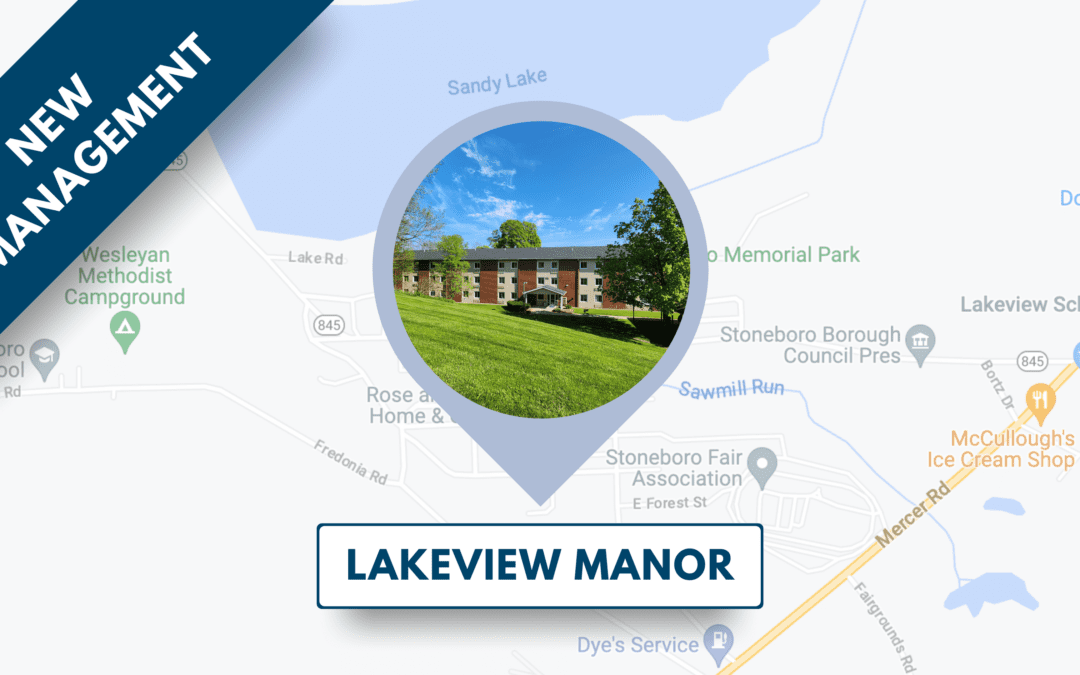
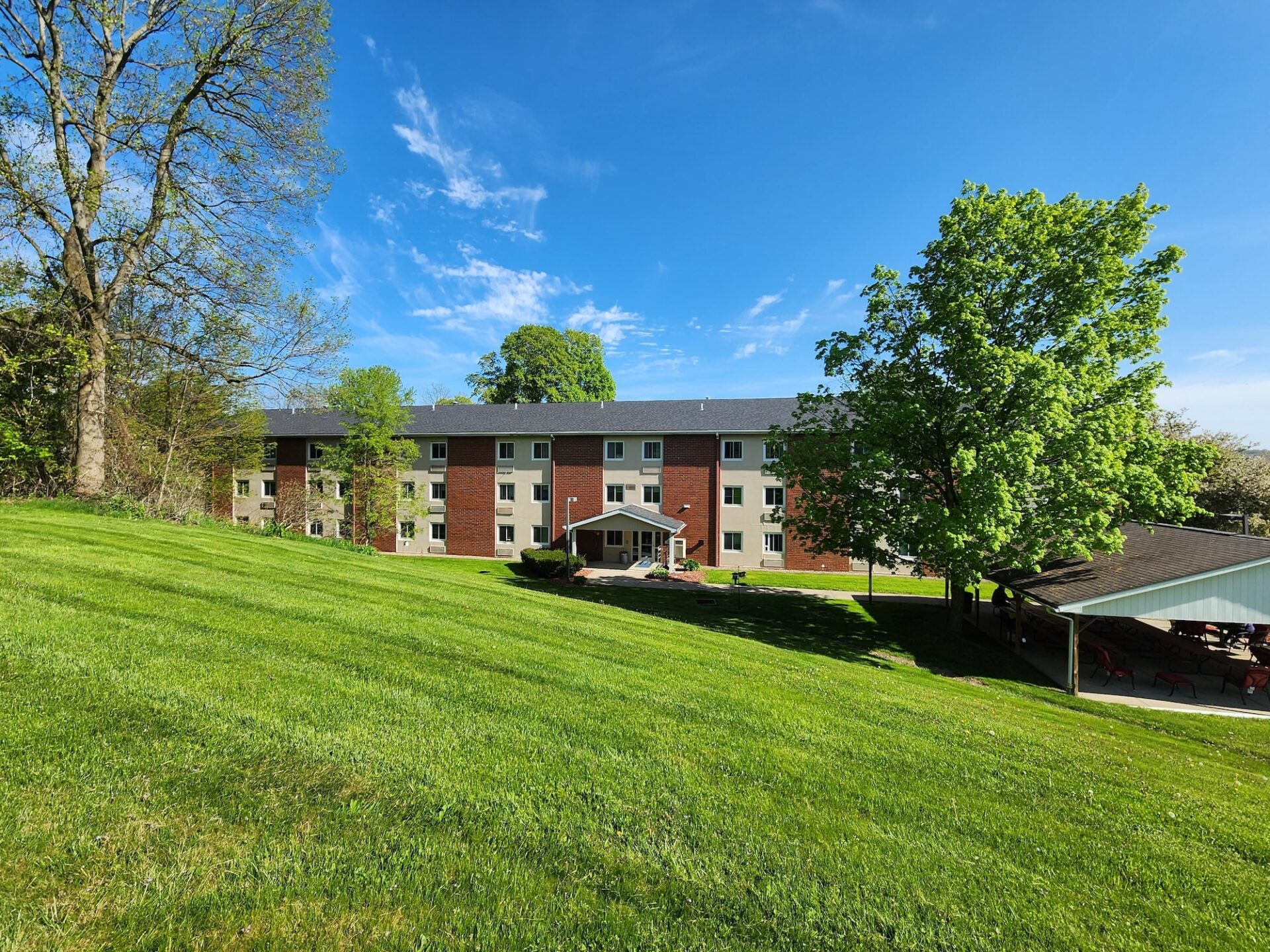
Stoneboro, PA – Arbors Management continues to expand their reach by adding Lakeview Manor in Stoneboro, PA to their portfolio. Effective June 1st, Arbors will become the new management agent of the 50-unit senior building near their new office in Grove City and other Arbors-managed properties, such as Evergreen Arbors in Franklin and Towne Towers in Oil City.
Lakeview Manor is an affordable independent senior living facility that offers a wonderful community of residents and has been a staple of the community for 36 years since its construction in 1987. Located near Lake Wilhelm, Goddard State Park, the Stoneboro Fairgrounds, Grove City Outlet Mall, and Conneaut Lake, residents have plenty to do just minutes from the property.
Since 1982, Arbors Management, Inc. has built a portfolio of over 4,000 residential units with a large majority in the affordable housing segment across Western PA and West Virginia, and it continues to grow each year. The team at Arbors Management is thrilled to begin building a lasting relationship with the residents of Lakeview Manor.
If you’d like to learn more about how Arbors can help you manage your property, please contact us.
Read the original article online on the Pittsburgh Business Times here.
by Nicole Scimio | Feb 26, 2023 | Blog, Press Releases, Uncategorized
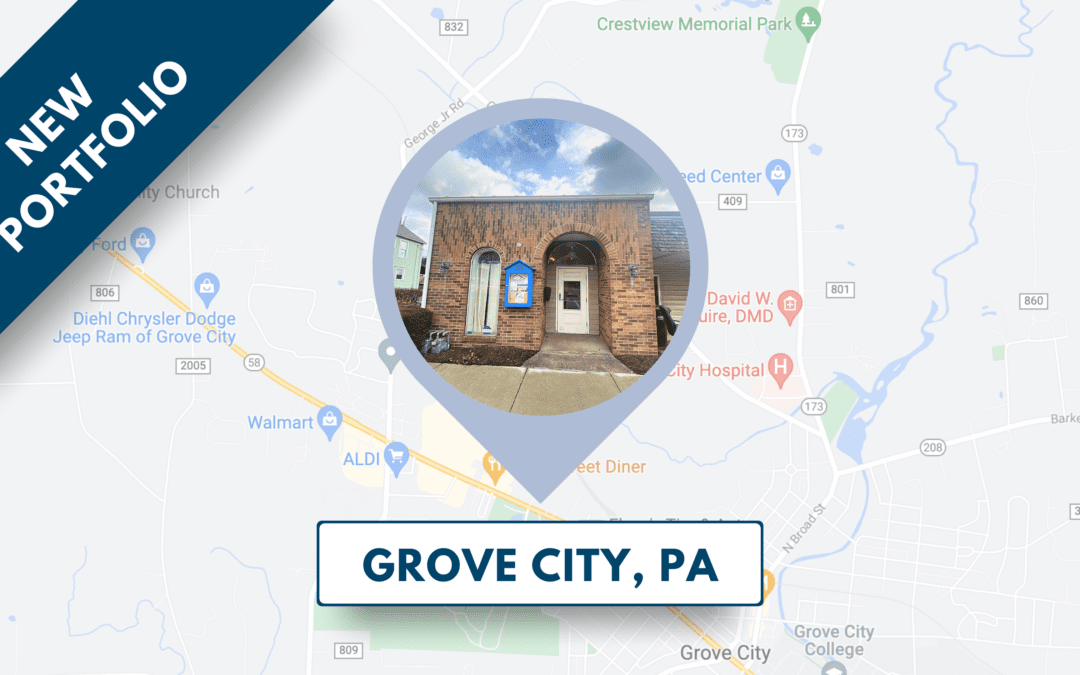
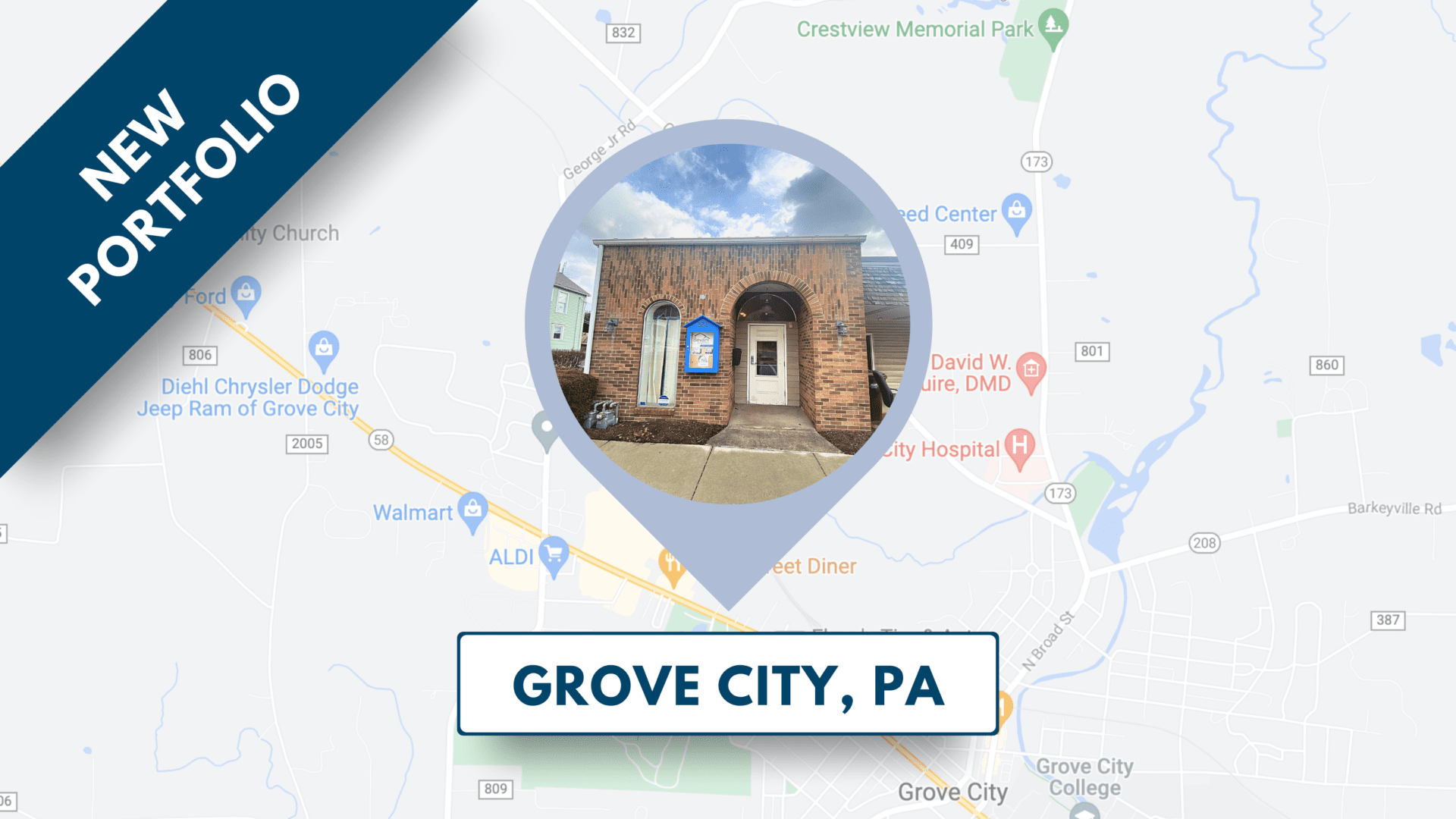
Grove City, PA – Arbors Management, Inc. is excited to announce their partnership with Bevan Properties and growth into a new territory: Grove City, PA. With this partnership, Arbors Management, Inc. will have become the management agent of over 200 Bevan Properties units in Grove City beginning February 16th, 2023.
Bevan Properties is a well-known, reputable housing provider in the Grove City area; Arbors Management looks forward to continuing Bevan’s work in providing the utmost quality of management services, customer service, and care for their current and future residents.
If you’re in the Grove City area in need of a trusted property management company, contact us today.
Read the original article online on The Pittsburgh Business Times here.
by Arbors Management, Inc. | Feb 24, 2023 | Blog, Property Management Education
By: Nick Griffith & Nicole Fandel, Director of Conventional Housing and Marketing Specialist
Should I Allow Pets in My Pittsburgh Rental Property?
Many Pittsburgh rental property owners want to know if they should allow pets into their homes or if they should avoid them.
Whether you’re a pet lover or not, there are a lot of pros and cons to discuss when it comes to welcoming pets into your rental property.
Pro-Pets: Resident Pool and Pricing
The main benefit of allowing pets is that you’ll get a larger pool of potential residents interested in your home.
When pet owners have access to your property, you’ll get a larger selection of applicants and a bigger audience of people who want to see your property and lease it.
Today, it seems like almost everyone has a cat or a dog or a hamster that they cherish – pets are part of the family. So, it’s ultimately easier to rent out your home when you decide to allow pets.
Another pro of allowing pets in your rental property is additional revenue.
You’ll have the ability to charge pet rent in addition to the rent your resident pays. People are very attached to their animals, and they’ll be willing to pay a little more to have them in the property.
You can reap those benefits when you allow pets and charge a little more each month to cover potential additional wear and tear.
Can I Charge a Pet Deposit?
Owners will often want to know if they can charge a pet deposit in addition to the security deposit when they allow pets.
In Pennsylvania, the law says that we can only charge a security deposit that’s the equivalent of one month’s rent. So, we don’t typically charge an additional pet deposit because a deposit has to be returned to the residents.
Instead, we charge the pet rent, which generates additional income for our owners every month.
Avoiding Pets: Potential for Damage
The biggest reason that property owners prefer to avoid pets is that there’s a potential for property damage.
We’ve all heard the horror stories: pets might pee on the floors, scratch the carpet, and chew up the baseboards. They can make messes.
Yes, these things can happen; but generally, pets are often well-trained and well-behaved.
If your residents take care of their pets and the property, you won’t have any unnecessary damage.
However, there’s no guarantee. When you’re screening residents and deciding whether or not to accept a pet, you have to consider the animal’s breed, size, and weight.
Consider the applicant as well. You’ll need to determine whether that applicant is a responsible pet owner who can truly care for the animal as well as your property.
Service and Support Animals
Another hot topic is the rise of service animals and emotional support therapy animals.
These are animals that are coming into the property to help the resident perform daily tasks, or help them emotionally through their daily lives.
If a resident has a service or support animal, we cannot discriminate against those animals, even if there’s a strict no-pet policy in place.
To protect your property, we will always ensure the appropriate documentation and supporting medical notes are in place to verify a service animal or an emotional support animal. We don’t want residents to try and skirt the rules, or put our owners in an unfavorable position.
In Conclusion: Pets or No Pets?
Ultimately, the decision to allow pets is up to you, the owner.
Whether you choose to allow pets or not, we have policies, procedures, and documents that ensure that we are compliant with the laws.
We’ll charge your residents an appropriate amount for the added benefit of moving in with their furry friends, and make sure your property is protected.
If you have any questions about pets, or anything at all pertaining to your Pittsburgh rental property, please contact us and we’d be more than happy to help.





 Another hot topic is the rise of service animals and emotional support therapy animals.